







Search Results for: fault light
De'Longhi Coffee Machine Indicator Light Faults: Illustrated Analysis of Common Alarm Causes and Corresponding Troubleshooting Methods
During the use of a De'Longhi coffee machine, the various indicator lights on the panel will display different states to indicate the machine's current issues. This article uses diagrams to explain one by one the meanings of the water shortage light flashing and staying on, the coffee grounds container indicator light flashing and staying on, the extractor abnormality represented by the triangular exclamation mark indicator light, and the excessive bean amount issue when the grounds container and exclamation mark flash simultaneously. It also introduces the meanings of the display icons on mid-to-high-end models, including water shortage, bean shortage, full grounds container, and descaling prompts. If the problem still cannot be resolved after troubleshooting step by step, it is recommended to contact a professional repair technician. We hope this is helpful to friends who are currently using De'Longhi coffee machines. [more…]
De'Longhi Coffee Machine Brewing Unit Stuck and Common Fault Light Analysis: From Grind Size Diagnosis to Practical Removal and Extraction
De'Longhi fully automatic coffee machines occasionally experience issues during use, such as the brewing unit getting stuck, or fault lights staying on or flashing. This article starts with a simple way to judge the coarseness of coffee grounds, then analyzes common fault symptoms in De'Longhi 3000, 4000, 3500, 6600 and other series one by one, including warning lights staying on, water volume not being adjustable, no steam output, and the heater not working, and provides corresponding troubleshooting ideas and solutions. The article also specifically addresses the situation where a customer forcibly pulls out the brewing unit, causing the drip tray to not sit properly, and explains the key operating points to solve it without disassembling the machine. At the same time, it retains recommendations related to the "Front Street" brand for coffee enthusiasts' reference. [more…]
A Complete Guide to De'Longhi Coffee Machine Fault Indicator Lights: Meanings of Various Lights and Flashes and Troubleshooting Methods
During the use of a De'Longhi fully automatic coffee machine, the indicator lights on the panel convey the machine's operating status and fault information through different states. Understanding the meaning of these light signals can help users quickly identify problems and take the correct measures. This article systematically organizes the common fault light behaviors of De'Longhi coffee machines, including warning lights turning on, lights flashing, and lights staying steadily on, and provides detailed troubleshooting steps and repair suggestions for specific issues such as a damaged brewing unit motor, coffee flowing too slowly, a clogged grinder, and a full grounds container. It also reminds users to pay attention to protecting the circuit board during inspection and repair to avoid secondary damage caused by improper operation. [more…]
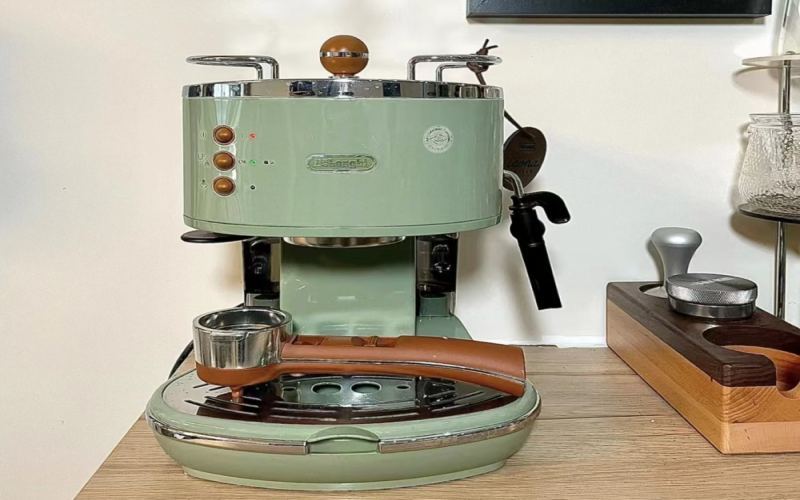
Interpreting the Three Lights Flashing Simultaneously Fault Code on De'Longhi Coffee Machines and an Introduction to Dolce Gusto Capsule Machines
When three indicator lights on a De'Longhi coffee machine light up and flash simultaneously, users are often left confused. This article will analyze one by one the fault causes and solutions corresponding to different flashing patterns, including grinder blockage, mistakenly selecting the pre-ground coffee powder function, running out of coffee beans, and the need for descaling. At the same time, the article also introduces the background and features of the Nescafé Dolce Gusto capsule coffee machine—this product, launched in cooperation with De'Longhi, uses 15-bar high pressure and 100% ground coffee capsules to let users easily enjoy a coffee experience close to café quality at home. [more…]
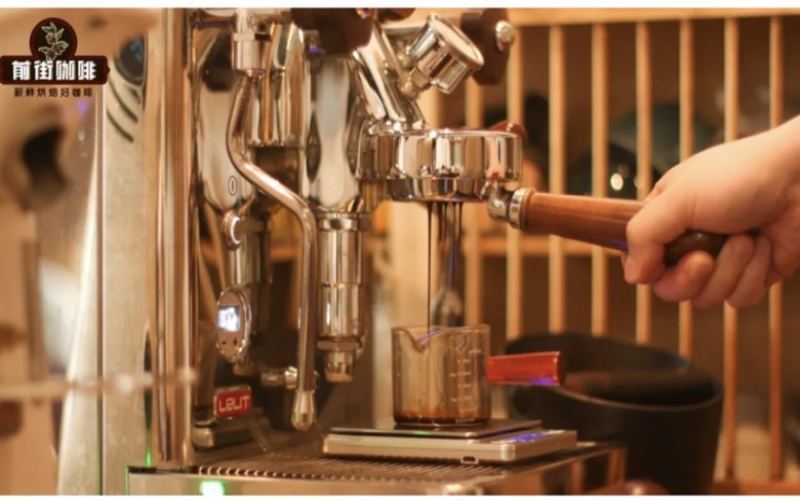
Arabica Varieties and Espresso: The Espresso Performance of Typica and SL28
Arabica is not a single, monotonous variety; it has many sub-varieties, and each one performs differently in espresso extraction. Understanding the flavor characteristics of different Arabica varieties in espresso gives you a deeper basis for judging SOE bean selection. Typica is an old-school Arabica variety with a clean, pure flavor, [more…]
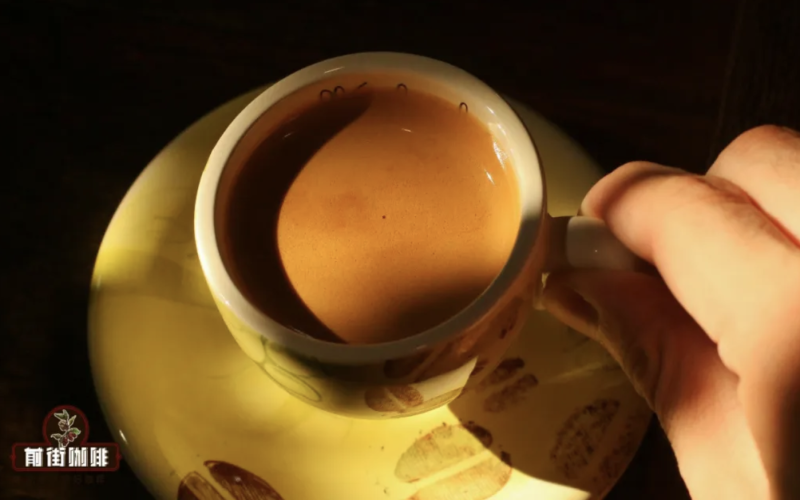
How to Pull a Good Espresso Shot at Home: The Key Lies in Bean Selection
Many people buy a home espresso machine with one first goal in mind: pulling a thick, creamy crema like the one in coffee shops. But after endlessly tweaking grind size, dose, and water temperature, the crema is still thin. The problem usually isn't the machine — it's the beans. Crema is the layer of foam formed when carbon dioxide and fats emulsify during espresso extraction. [more…]
Single-Origin Espresso at Home: How to Pull SOE on a Home Machine
SOE is short for Single Origin Espresso, which means using beans from a single origin to make espresso. Trying SOE on a home semi-automatic espresso machine is the starting point for many coffee enthusiasts moving from blends to single-origin coffees. SOE has a narrower extraction window than blends, and on a home machine you need to [more…]
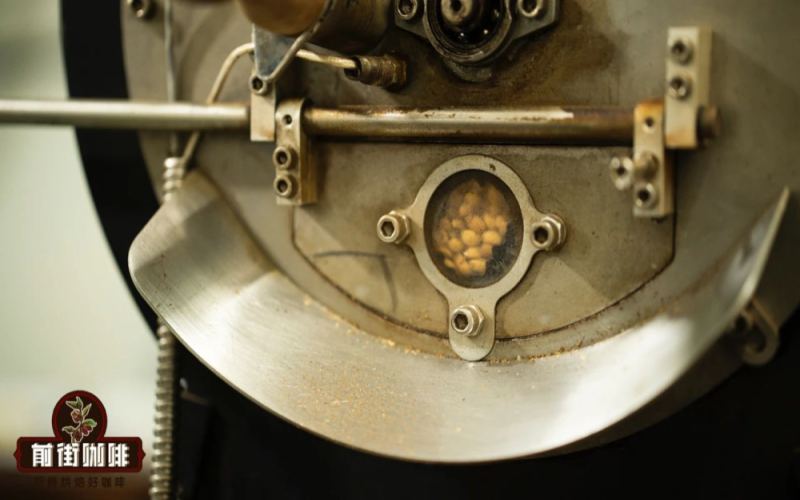
What roast level should you choose for Americano and Latte? Dark roast flavor characteristics and Front Street Coffee espresso bean recommendations
Among the stages a coffee factory can control, roasting is the core step that determines the final flavor. The variety and quality of green beans are already fixed at the time of import; what truly sets one apart is the level of roasting skill. For enthusiasts who want to make Americano or latte at home, choosing between a blend and a single origin, or picking a dark roast versus a light roast, is often a dilemma. Starting from how roasting affects flavor, this article will introduce the characteristics of dark-roasted coffee beans and recommend several espresso recipes with a high tolerance for error, including Front Street Dark Cocoa Basic Blend, Front Street Strawberry Candy Espresso, Front Street Classic Blend, and Front Street Brazil Queen's Farm, to help beginners easily make a delicious cup of Americano or latte. [more…]
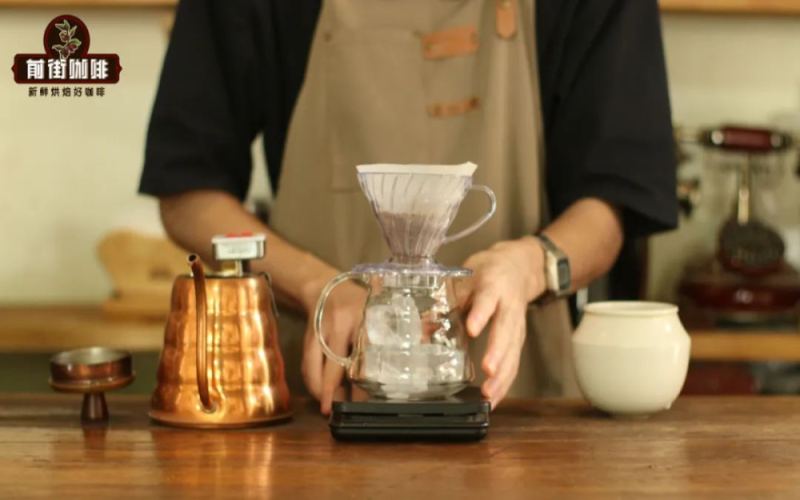
When encountering unfamiliar coffee beans for the first time, how to quickly find a suitable brewing recipe
When you bring home a bag of coffee beans you've never tried before, many coffee lovers find themselves at a loss: what temperature should the water be? How fine should the grind be? Especially when the beans are expensive, one failed brew means real money down the drain. Through practice, Front Street Coffee has distilled a simple approach: rather than trial-and-error on every new bean, first build a highly adaptable brewing framework, then match each bean to its proper slot based on its characteristics. This article focuses on the roast-level classification method, breaking down in detail the core differences between light and dark roasts in grind size, water temperature, and dripper choice, and further exploring the variables introduced by processing method and bean variety, to help you quickly lock in a preliminary plan when facing unfamiliar beans and minimize the odds of a disastrous brew. [more…]
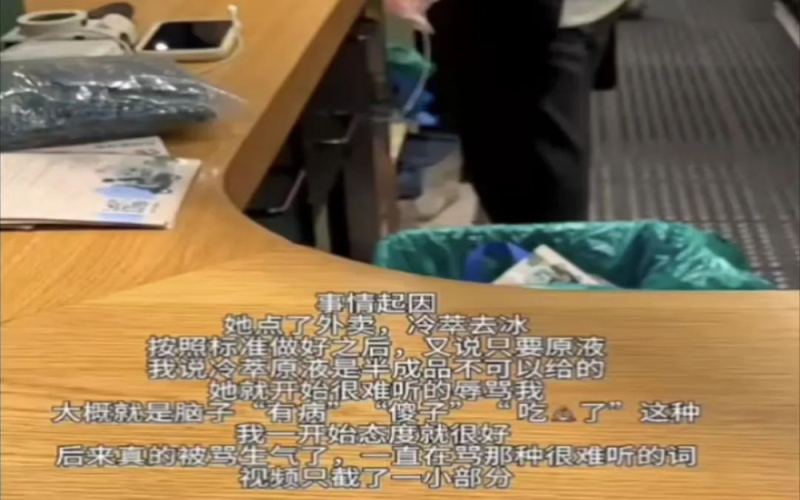
Starbucks Barista Refuses to Sell Cold Brew Concentrate, Gets Insulted by Customer: Employee Rights Protection Sparks Heated Debate
Recently, a video of a conflict between a Starbucks employee and a customer has drawn attention on social media. In the video, the employee, who refused to sell cold brew concentrate—a semi-finished ingredient—on its own, was fiercely insulted by the customer and nearly came under physical attack. After the incident came to light, netizens expressed sympathy for the employee and discussed topics such as how the brand handles customer complaints and how employee rights are protected. Many current employees also shared similar experiences, pointing out that the company often smooths things over by issuing coupons, which may encourage malicious complaints and leave frontline staff disheartened. [more…]
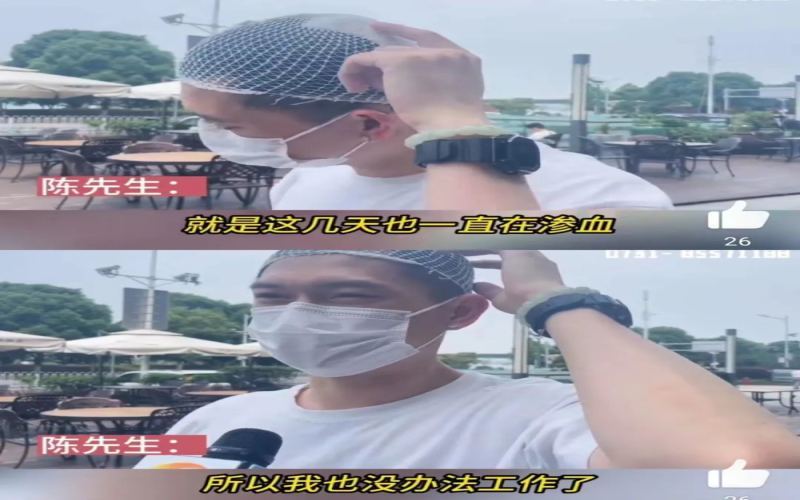
Customer Injured After Standing Up and Hitting a Crystal Chandelier at Maan Coffee: Lawyer Analyzes the Division of Liability Between the Store and the Consumer
Besides ensuring food safety, what other unexpected risks might be lurking in coffee shops? Recently, a man in Changsha hit his head on a low-hanging crystal chandelier as he stood up in a MAAN COFFEE, bleeding on the spot and requiring medical treatment, which sparked a compensation dispute. The shop first promised to go through insurance but then reneged, offering only 1,000 yuan in compensation. After negotiation, the amount was finally raised to 2,000 yuan, along with a promise to make rectifications. A lawyer pointed out that the store bears liability for installing the chandelier in a non-compliant manner, while the consumer also bears partial responsibility for failing to exercise due safety precautions. This article recounts the incident and analyzes the relevant legal liabilities. [more…]
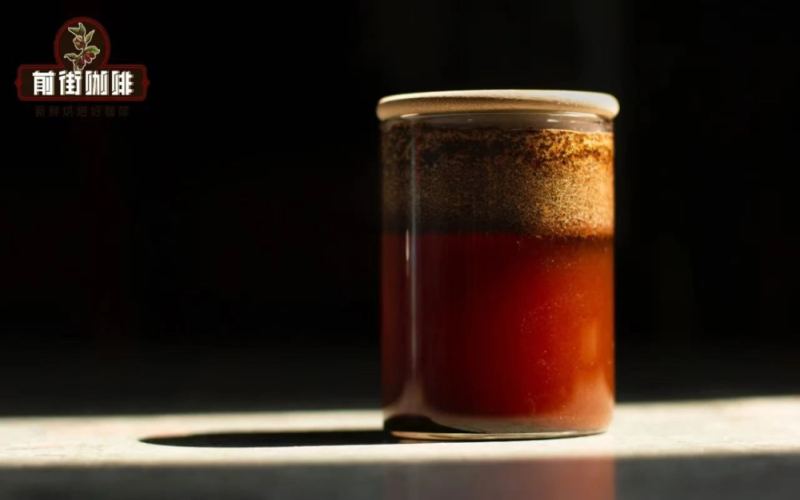
Cold Brew Coffee Guide: How Coffee-to-Water Ratio, Grind Size, and Steep Time Affect Flavor
Cold brew coffee has a high extraction fault tolerance, so even without professional equipment, you can easily make a delicious iced coffee at home. However, the three parameters of coffee-to-water ratio, grind size, and steeping time are interrelated, and even a slight deviation can push the flavor toward blandness or bitterness. This time, Front Street Coffee combines experimental data to clearly explain the logic behind choosing cold brew coffee parameters: the recommended coffee-to-water ratio is between 1:12 and 1:13; for grind size, refer to pour-over coarseness, and a 70-85% passing rate through a No. 20 sieve is suitable; keeping the steeping time at 8-24 hours is relatively reliable. The article will also provide the specific flavor performance under different combinations of grind and time, and include the complete steps for making Front Street Strawberry Candy Cold Brew. [more…]
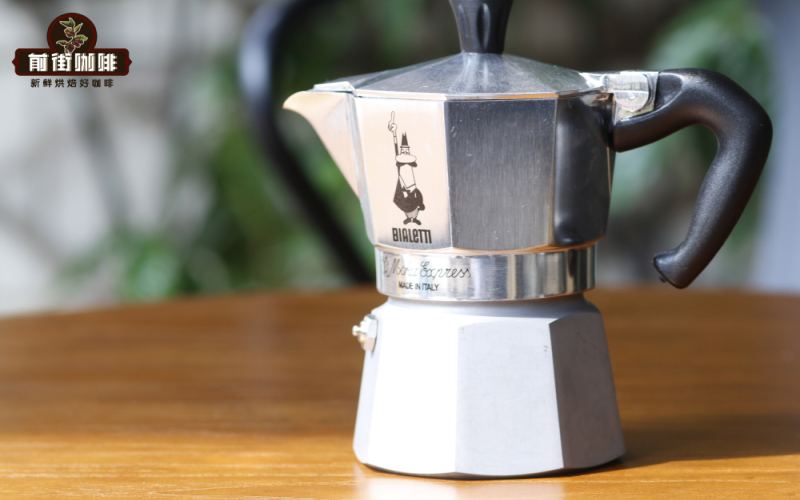
Must the Moka Pot Filter Basket Be Filled to the Brim? Differences Between Bialetti Single-Valve and Double-Valve Structures and Buying Advice
The moka pot, which has been around for nearly a century, has once again become a hot topic in the coffee world with the emergence of a new generation of pressurized models. Many enthusiasts are torn: should the filter basket be filled to the brim? And how should one choose between single-valve and dual-valve? This time, Front Street Coffee will break down these questions one by one, from the logic of filling the basket and the principles of extraction to the valve structure. The article will explain why reducing the amount of coffee grounds tends to produce an unbalanced taste combining sharp acidity and bitterness, share the specific steps for making moka pot coffee with half a dose of grounds, and clarify the fresh medium-dark roast bean conditions needed to obtain crema. Finally, it compares the differences between single-valve and dual-valve in terms of pressure and tolerance for error, helping beginners find the one that suits them better. [more…]
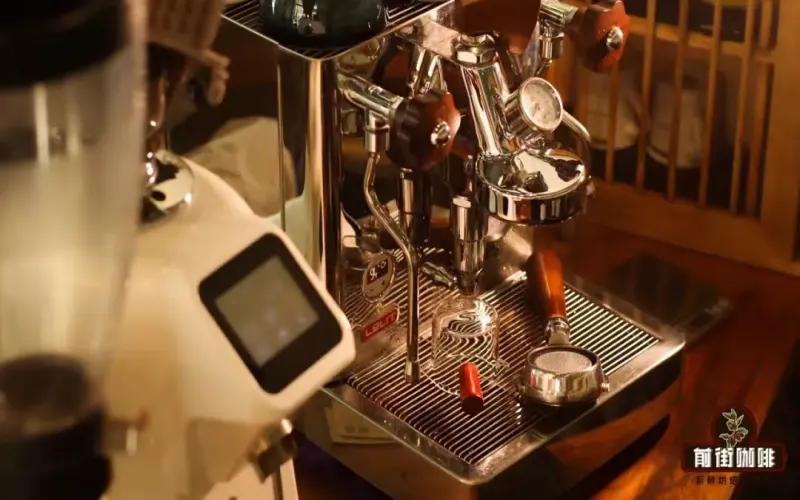
A Complete Guide to Espresso Extraction: Adjusting the Four Key Parameters of Dose, Grind, Brew Ratio, and Time
To make a well-balanced espresso at home, the key is to master a few core variables that affect extraction. Drawing on the practical experience of Front Street Coffee, this article systematically sorts out the relationships among the four main adjustable parameters—dose, grind size, brew ratio, and extraction time—to help readers understand how to decide which direction to adjust based on the taste the espresso presents. It also introduces the basic concept of the Golden Cup standard, explains why choosing a more stable espresso blend can improve the margin for error in home extraction, and lists four distinctive blends from the Front Street bean lineup for reference. [more…]
How long should cold brew coffee steep for the best flavor? Pairing grind size with extraction time
Cold brew coffee is an ideal choice for making iced coffee at home, with a high extraction fault tolerance, allowing you to achieve decent flavor performance without professional equipment. But how should grind size and steeping time be paired, what range should the coffee-to-water ratio be controlled within, and how will the flavor differ at different time points? Based on Front Street's practical experience, this article sorts out the complete logic for making cold brew coffee: the recommended coffee-to-water ratio is 1:12 to 1:13, the grind size references pour-over coarseness (70-85% passing rate through a No. 20 sieve), and the steeping time should be controlled between 8 and 24 hours. At the same time, it provides two practical approaches—coarse grind with a long time, and medium-fine grind with a medium-long time—along with the complete cold brew making steps and Front Street bean recommendations. [more…]
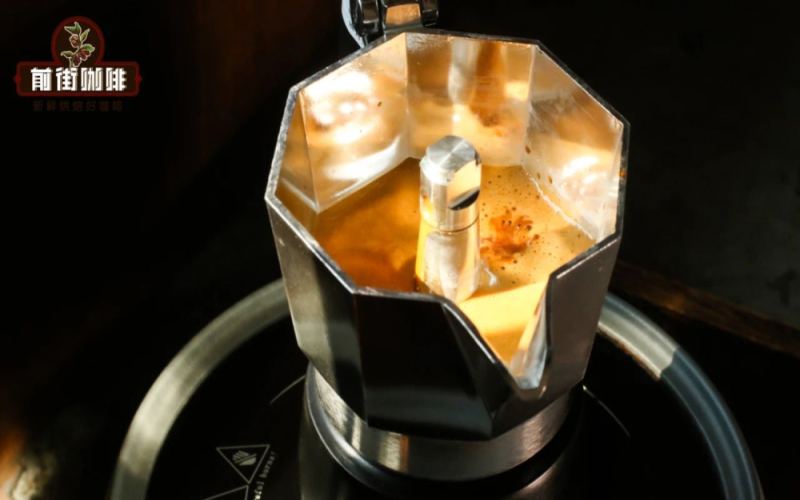
Moka Pot Brewing Troubleshooting: How to Choose Between Aluminum and Stainless Steel Models, and How to Do Daily Cleaning and Maintenance
The moka pot is a common tool for many coffee lovers brewing espresso at home, but during operation, problems such as poor flow, overly bitter or sour taste, or almost no crema are often encountered. This article focuses on the practical use scenarios of the moka pot, organizing the complete process from material selection, heating methods to extraction parameters and post-brew cleaning, and provides troubleshooting ideas for common faults. The article also combines the production experience of Front Street Coffee to explain the key points of coordination among coffee grounds amount, water amount, grind size, and heat level, helping readers more consistently make a cup of rich-bodied moka pot coffee. [more…]
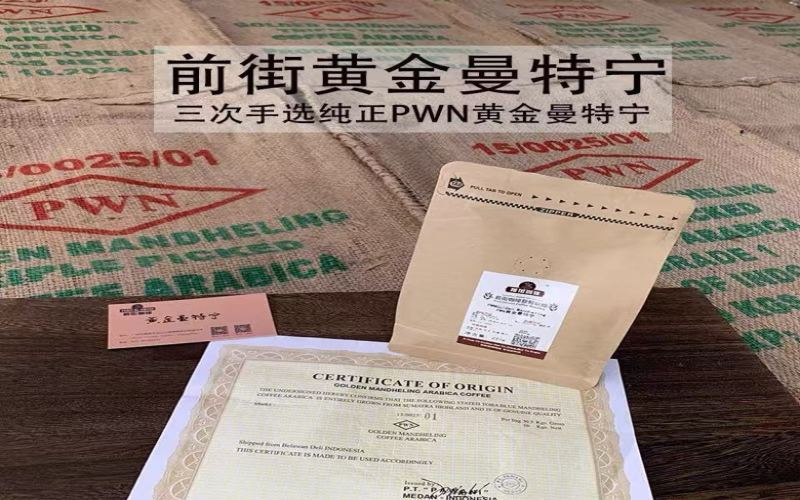
Finding Origin Flavors in Home Machines: Everyday SOE Play
After using a home semi-automatic machine for a while, many people want to advance from blends to SOE, experiencing the expression of origin flavors on their home machine. SOE, or Single Origin Espresso, means extracting beans from a single region into espresso on their own, tasting the bean's original flavor personality. Although home machines have limited pressure, as long as you choose the right beans and adjust [more…]
Why isn't cold brew bitter? Understand the principle and choose beans more wisely in summer
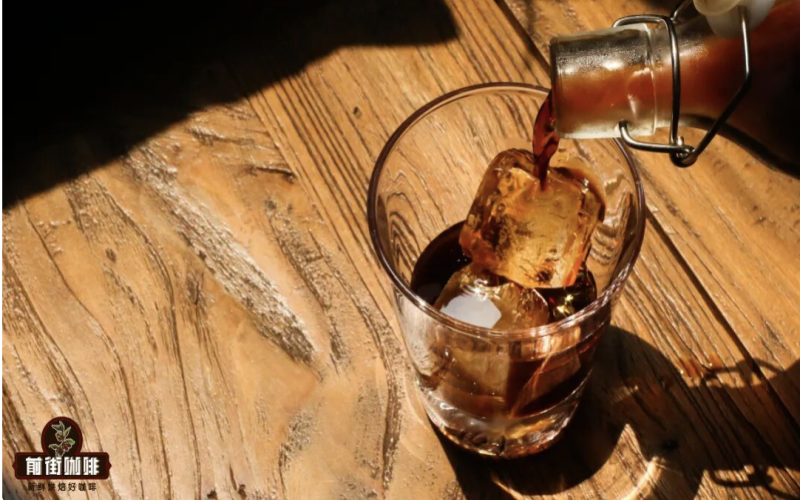
The same bag of beans, hot-brewed, comes out bitter and astringent, but made into cold brew, it's clean, sweet, and delicious. This isn't an illusion—it's determined by the principles of extraction. Once you understand "why cold brew isn't bitter," you'll know what kind of beans to choose for summer, and you'll never have to worry about buying "cold bitter water" again. Where does coffee's bitterness come from? The bitterness in a cup of coffee mainly comes from [more…]
Cold Brew Bean Guide: Bean Selection Plans for Every Budget and Taste, All in One Place
Once you've decided to start making cold brew, the first question is always the same: which beans should I buy? Today, we're giving you three bean plans based on two dimensions—budget and taste—so whether you're just "casually drinking" or "seriously savoring," you can find the right match. Plan One: Beginner's tasting type (spend a little first to test the waters). If you're making cold brew for the first time, don't [more…]
Light Roast or Dark Roast? The Bean Selection Logic for Pour-Over Beginners
When you first start buying hand-brewed coffee beans, roast level is a very practical entry point to observe. It affects the coffee's sweet-and-sour expression, aroma type, mouthfeel weight, and brewing fault tolerance. When faced with descriptions on the packaging such as floral, fruity, nutty, or caramel, you can first judge whether the beans are light roast, medium roast, or dark roast, and then think about what kind of cup you want to drink. [more…]